Logo

FCC

ISO Stands for International Standards of Organization. ISO is an independent, non-governmental international organization with a membership of 162 national standard bodies. Certification can be a useful tool to add credibility, by demonstrating that your product or service meets the expectations of your customers. For some industries, certification is a legal or contractual requirement.


» Single Window System
» Save Your Time
» Cost Efficient
» 100% Client Satisfaction

Get in touch

What is the FCC?

The Federal Communications Commission (FCC) is an independent agency of the United States government responsible for regulating interstate and international communications via radio, television, wire, satellite, and cable. Its mission is to ensure that communication services are accessible, efficient, and reliable while fostering innovation, competition, and the public interest in the telecommunications sector.

In the past, this was a question of ethics and—let’s face it—most of us have gone for the cheaper, non-RoHS option because we cry when we open our wallets to pay for the more expensive lead-free solder.

Using non-RoHS parts is now a legal matter: you have to use RoHS parts for any product that will sell in the EU. This is because all EU products have to conform to the European standards, denoted by the CE mark on European products, if they are to be sold.

Establishment and Authority

  • The FCC was established by the Communications Act of 1934.
  • It operates under Title I of the United States Code.
  • The FCC holds authority over both interstate and international communications across multiple platforms and technologies.

Key Regulatory Functions

  • Licensing & Frequency Allocation: Allocates and licenses radio frequencies for broadcasting, telecommunications, and wireless services.
  • Enforcement of Fair Competition: Regulates the telecommunications marketplace to prevent anti-competitive practices and ensure fair business conduct.
  • Rate and Service Regulation: Oversees telecom rates, services, and infrastructure to promote affordability, accessibility, and service quality.
  • Public Safety and Emergency Communications: Supports reliable public safety communications, including emergency alerts and network reliability protocols.
  • Consumer Protection: Safeguards consumer rights, including privacy, data security, and access to essential services.
  • Broadband and Digital Inclusion: Promotes broadband deployment and universal access to high-speed internet, especially in underserved areas.

Spectrum Management

The FCC manages the radio frequency spectrum, a critical resource for wireless communication. Its responsibilities include:

  • Allocating spectrum bands to services like mobile, broadcast, and satellite.
  • Issuing licenses to users.
  • Ensuring efficient and interference-free use of the spectrum.

Broadcasting Regulation

The FCC regulates:

  • Radio and television broadcasters, ensuring compliance with technical standards, public interest obligations, and content regulations.
  • Areas such as indecency, obscenity, political advertising, children’s programming, and equal time provisions.

Enforcement and Compliance

To enforce its rules, the FCC:

  • Issues fines, penalties, or revokes licenses for violations.
  • Conducts investigations, audits, and hearings in response to complaints or breaches of regulations.

International Coordination

  • Works with global bodies like the International Telecommunication Union (ITU).
  • Collaborates on spectrum harmonization, technical standards, and policy alignment.
  • Participates in bilateral and multilateral agreements to support global communications infrastructure.

Telecommunications Oversight Cover

  • Wireline and wireless telecom providers, ISPs, cable, and satellite operators.
  • Policies related to network neutrality, universal service, interconnection, access charges, and consumer protection.

Public Engagement and Transparency

  • Engages the public through rulemaking procedures, public notices, and comment periods.
  • Enhances transparency by publishing reports, orders, and decisions openly on its website.
Conclusion

The FCC plays a vital role in shaping the communications landscape of the United States. By regulating access, enforcing standards, promoting innovation, and protecting consumers, the FCC ensures that the nation’s telecommunications infrastructure remains fair, inclusive, secure, and globally competitive.

Our Services

Required For ISO Certification

Company / Service Govt. Registration Proof
Valid Letter Head including address
Bill Format / GST Registration Certificate
Business Scope

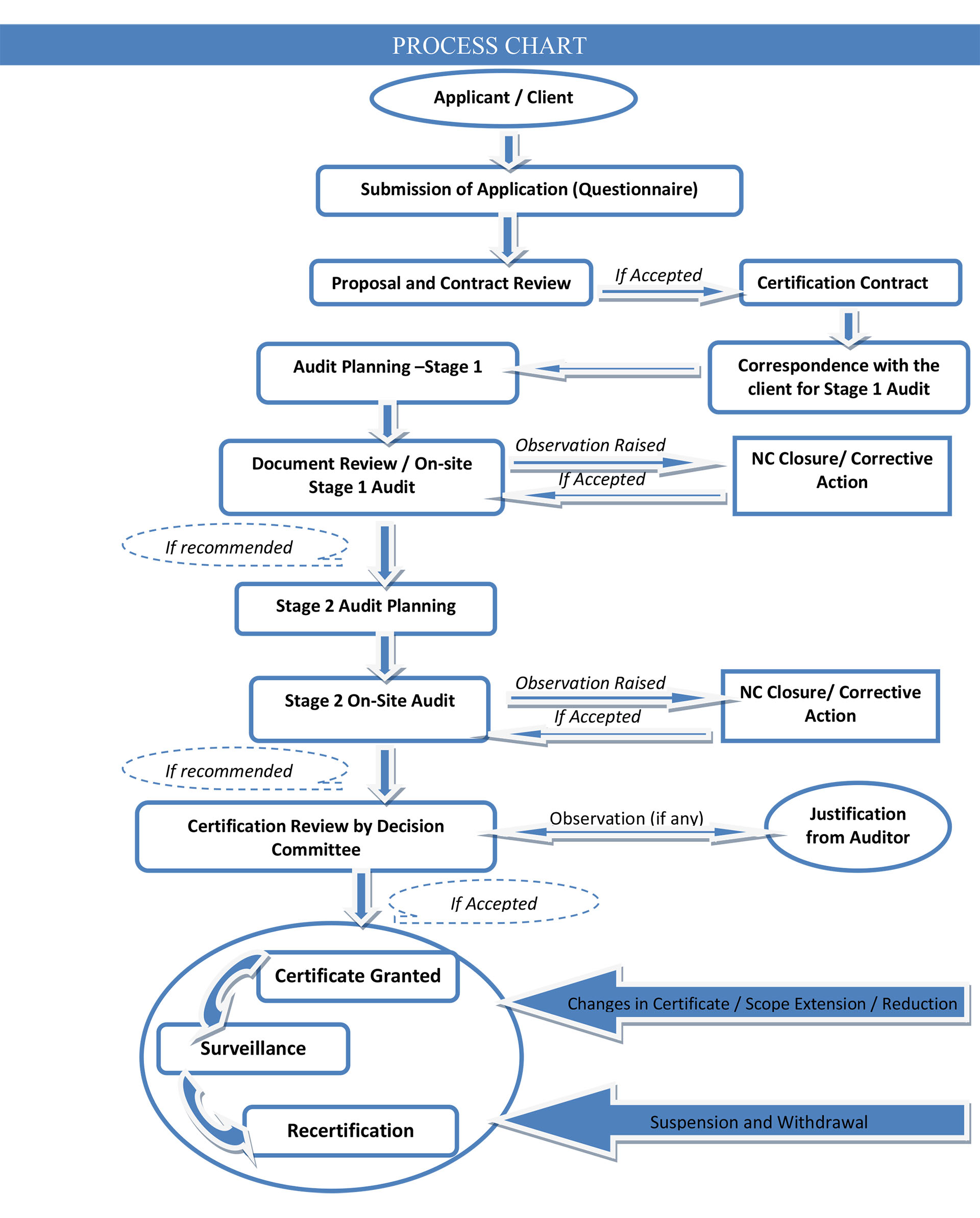
How to get Certified?

Application
Quotation
Stage 1 Audit
Stage 2 Audit

ISO Certification - Consult Now

ISO Stands for ISO Global Certification. ISO is an independent, non-governmental international organization with a membership of 162 national standard bodies.

Why Choose Us ?

Commitment To Work

We commit to working consistently and responsibly, ensuring uninterrupted progress on every project.

Cost Effective

Our cost-effective solutions deliver maximum value without compromising on quality or compliance.

Solid Teamwork

Strong collaboration brings fresh ideas, continuous learning, and efficient project execution.

Standard of Excellence

We prioritize client expectations and deliver services that meet the highest industry standards.

Delivery Commitment

Customer-first approach with on-time delivery of certification and compliance projects.

Talk To Expert

Connect with our experts anytime, anywhere for professional guidance and support.

WhatsApp